


mady70 / Depositphotos.com
The federal government is rolling out new trade measures aimed at supporting Canada’s steel and lumber industries as tensions with the United States remain high.
Prime Minister Mark Carney announced the changes in Ottawa, saying Canada must adjust to what he called a “new reality” in its relationship with the U.S. Carney said several sectors tightly linked to cross-border markets have become increasingly vulnerable during the ongoing trade dispute.
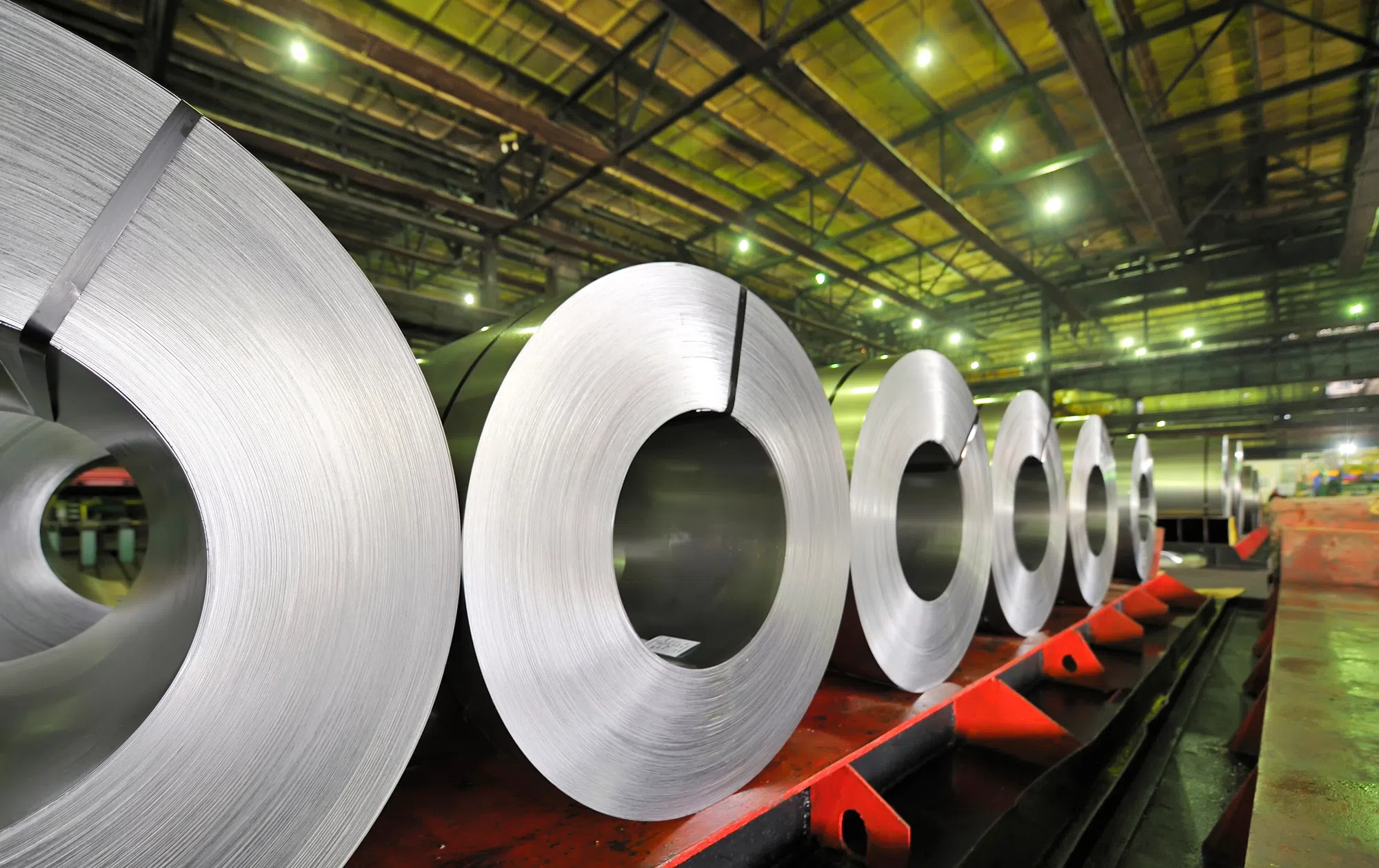
Among the changes, Canada will significantly reduce foreign steel imports from countries without a free trade agreement, cutting allowed volumes from 50 per cent to 20 per cent of 2024 levels. The move is largely aimed at reducing imports from China. Quotas for countries with free trade agreements — excluding the United States and Mexico — will also be reduced from 100 per cent to 75 per cent of last year’s levels. In addition, Ottawa is imposing a global 25 per cent tariff on selected imported products made from steel.
The government is also planning to cut freight rates for shipping steel and lumber across Canada by half beginning next spring. Earlier Wednesday, federal officials estimated the cost of that measure at $146 million based on previous programs.
Other actions include implementing a Buy Canadian Policy later this year, which will require defence and construction projects to prioritize Canadian-made materials, and adding $500 million to the Softwood Lumber Development Program, bringing total loan supports to $1.2 billion.
No new measures were announced for the aluminum sector.
Tensions between Canada and the U.S. have escalated since Washington increased tariffs on steel and aluminum imports to 50 per cent earlier this year and raised softwood lumber tariffs to 45 per cent. The fallout worsened last month after a provincial ad campaign in Ontario led the U.S. to pause trade talks.
Carney confirmed Wednesday that he spoke with U.S. President Donald Trump this week and plans to be in Washington on December 5 for the FIFA World Cup draw, where the two leaders could meet in person. He did not say whether trade issues will be discussed.
Opposition leader Pierre Poilievre criticized the government following the announcement, accusing Carney of missing deadlines and failing to secure tariff-free access to the U.S. market.