


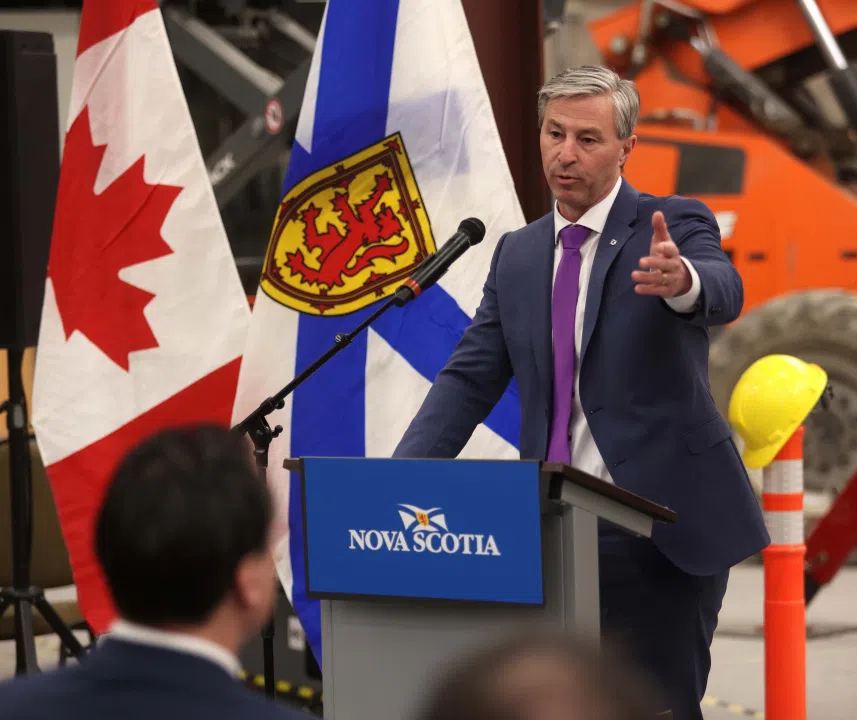
Nova Scotia has launched a new initiative to help Canadian Armed Forces veterans, reservists and their family members move into careers in the construction trades.
The program, called Skills Bridge, will support up to 100 people over the next three years. It is funded by the province and delivered by the non‑profit Helmets to Hardhats, which provides military members with training, coaching and direct pathways into apprenticeship and employment.
Premier Tim Houston said the program comes at the right time for both veterans and the labour market, noting that “people who serve our country deserve a province that steps up for them in return.” He said the province’s construction sector is facing unprecedented opportunity and that “this initiative connects the two” by giving veterans a clear path into well‑paid, in‑demand jobs.
Skills Bridge includes two main routes. One offers classroom and leadership training in partnership with the Nova Scotia Construction Sector Council. The other focuses on direct referrals and apprenticeship placements with unions and employers across the province. The program will run until October 1, 2028.
For Nova Scotia veteran David Thimot, programs like this can make an enormous difference for people adjusting to civilian life. Thimot spent nine years in the Canadian Armed Forces, serving first in the Army and later in the Navy as a clearance diver. After leaving the military, he said finding his footing outside the forces was far more difficult than expected.
“It’s challenging,” he said. “The forces take care of everything when you’re in. When you get out, all of a sudden you’re by yourself and it’s hard.” He said many veterans have plenty of hands‑on experience, but not the formal credentials that employers look for. “You have a lot of transferable skills, but they’re not skills on paper. It’s all about getting your foot in the door.”
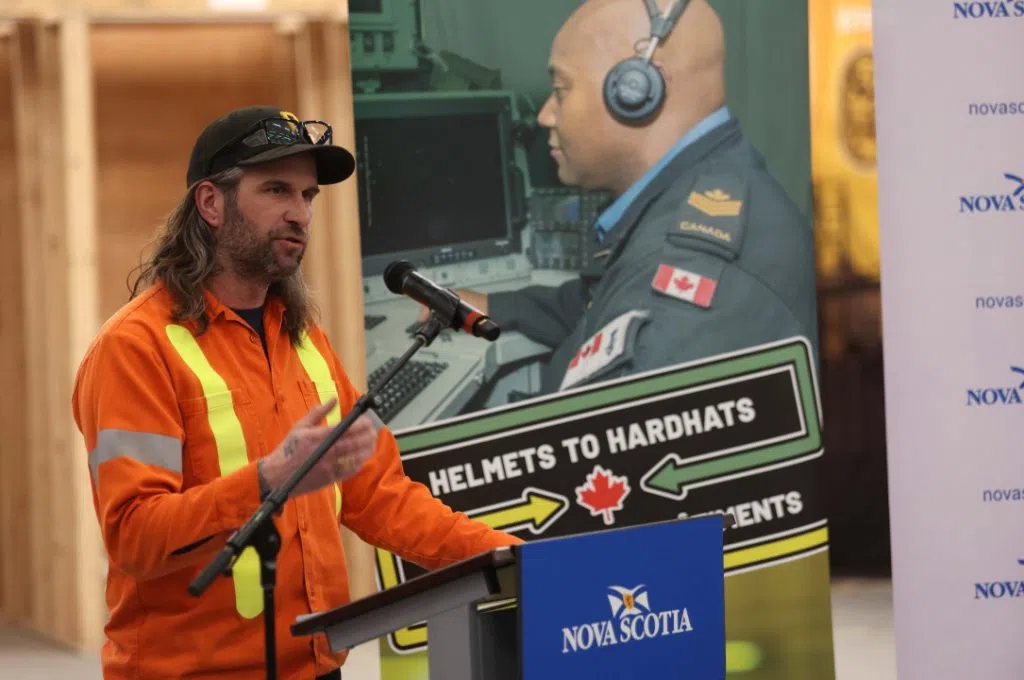
Dave Thimot, a Royal Canadian Navy veteran and Red Seal electrician (Province of Nova Scotia)
Thimot eventually earned his Red Seal as an electrician, but only after years of struggling to establish industry contacts on his own. He said things changed when he connected with Helmets to Hardhats after moving back to Nova Scotia. “When they make a call for you, people pick up the phone on the other end,” he said. “You don’t have that when you’re just getting out on your own.”
He’s now been working steadily in the province for four years and said he hasn’t faced a layoff once in his 15‑year career as an electrician. His partner also entered the trades with help from Helmets to Hardhats and now works in Nova Scotia as a unionized heavy‑equipment operator.
Support for the initiative is also coming from across the construction sector. Labour Minister Nolan Young said veterans bring discipline, leadership and teamwork to their new careers while helping the province address labour shortages.
Helmets to Hardhats national executive director James Hogarth called Skills Bridge an important step toward ensuring veterans and their families can thrive in the trades.
Industry groups say the timing is critical, with BuildForce Canada projecting thousands of retirements in the coming decade and significant growth in the sector.
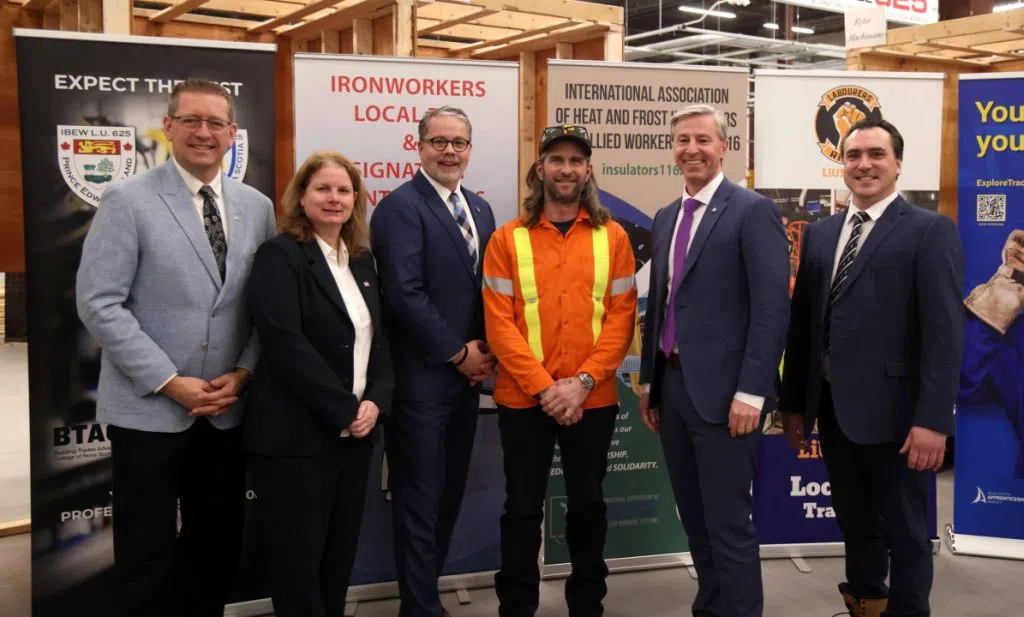
From left, Chris Palmer, Ministerial Assistant for Military Relations; Alison Carey, Executive Director, Mainland Nova Scotia Building Trades Council; Darryl Cathcart, National Director of Training and Development, Helmets to Hardhats; Dave Thimot, a Royal Canadian Navy veteran and Red Seal electrician; Premier Tim Houston; and Nolan Young, Minister of Labour, Skills and Immigration (Province of Nova Scotia)
The province is investing $480,000 over three years to support the rollout of the program.