


When I asked for thoughts around the government announcement that a number of museums are set to close last week, a few people commented that museums never change, so it is not a big deal.
I wonder if thoughts will change now that we are losing a number of historic locations on the South Shore too.
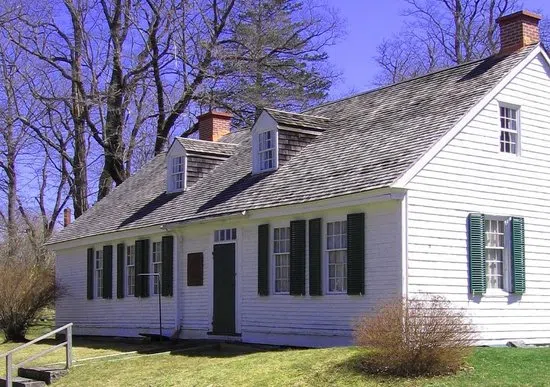
In a statement posted yesterday, the list of locations set close now includes four museums on the South Shore.
Wile Carding Mill — Bridgewater
Perkins House Museum — Liverpool
The Ross Thomson House — Shelburne
Barrington Woolen Mill — Barrington Passage
Sad to see that these institutions that have told the tales of the past and allowed visitors the chance to step back in time are being eliminated along with the loss of seasonal employment.
Here is the full statement posted:
February 24, 2026
Statement from the Department of Communities, Culture, Tourism and Heritage
Museums play a key role in preserving and sharing our heritage. To protect that work for future generations, we’re taking steps to modernize the Nova Scotia Museum system.
Nova Scotia has more provincial museum sites than any other province. With 28 sites and more than 240 buildings, the system has grown complex and increasingly difficult to maintain. As a result, we need to adapt and focus our efforts where they will make the most difference.
This is why we’ve made the decision to close 12 of our sites: Cossit House, Lawrence House, McCulloch House, Perkins House, Prescott House, Ross-Thomson House, Shand House, Barrington Woolen Mill, Sutherland Steam Mill, Wile Carding Mill, Fisherman’s Life Museum and North Hills Museum.
Regarding museums and the tourism industry, we considered several factors in deciding which sites to close, including attendance and changing visitor expectations. At these locations, attendance has remained low, with some drawing only 1,000 visitors a year. The 12 sites account for just 3 per cent of total attendance across the Nova Scotia Museum system.These closures will allow us to prioritize museums and programs that reach more people. These are difficult decisions, and we recognize the impact on employees and their families. We’re grateful for their service and the care they’ve shown in sharing the stories that reflect our province.
Over the coming months, we will complete the administrative process of closing the sites. We will then engage with local communities to explore options for future use of the buildings that continue to benefit the community.
With regards to the objects at these museums, we will manage the collections according to professional museum standards. Some objects may remain within the Nova Scotia Museum system, while others may be transferred to appropriate institutions or community organizations. Any decisions will follow established deaccession policies.
Protecting Nova Scotia’s heritage remains our priority. These changes will ensure our museum system is sustainable and can continue serving visitors for years to come.