


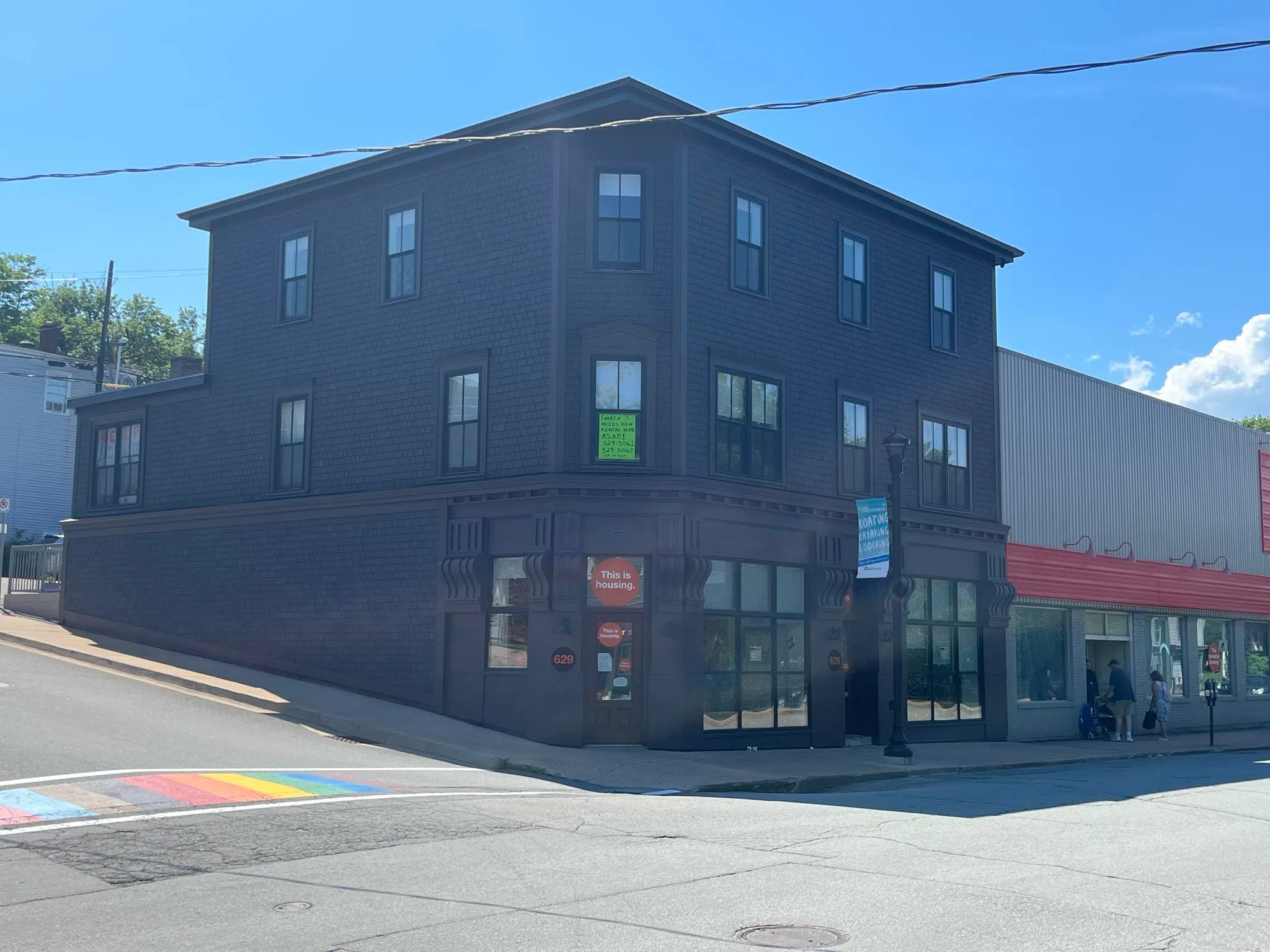
Cedar House located in the heart of downtown Bridgewater is causing concerns amongst the town, residents and nearby businesses. Photo: Evan Taylor
Bridgewater’s mayor says the daytime drop‑in services at Cedar Place will close, marking a significant shift in how the community supports people returning from incarceration and others needing assistance.
The decision follows months of concern over public safety, business impacts, and rising crime in the downtown core.
Cedar Place, operated by the John Howard Society at the corner of King and Dominion Streets, opened in 2024 with the intention of offering showers, laundry services, and reintegration supports for people leaving the correctional system.
Mayor David Mitchell says the town supported the concept when it was proposed, but the way the centre ultimately operated had far‑reaching impacts on the surrounding area.
“It was meant to help people get back on their feet,” Mitchell said. “But people were seeing open drug use right on the street—hundreds, if not thousands, saw it as they drove or walked by.”
Public safety and business impacts cited
Mitchell says the town recorded sharp increases in enforcement and cleanup costs, including what he described as a 400‑per‑cent rise in lockups linked to activity near the centre. Police, public works staff and the town’s infrastructure budget all absorbed additional strain.
Residents, teachers and parents shared concerns about safety in the area, and nearby businesses told the town they were experiencing declining sales. Some reported drops of up to 50 per cent year‑over‑year, which they attributed to the centre’s impact on foot traffic and customer comfort.
Mitchell says property damage also increased, from vandalism to thefts including snowblowers and vehicles. None of it aligned with the national trend at the time, which showed crime decreasing across Canada.
“This wasn’t just an issue at one corner,” he said. “It was spreading throughout the town.”
Lessons learned
Mitchell says that despite the problems, the need for services in Bridgewater is not in question. Instead, he believes the Cedar Place experience highlights two key lessons for future projects: the importance of location, and the need for the right operator.
“Who operates it is just as important as where it’s located,” he said. “There are organizations across Nova Scotia that run drop‑ins and shelters extremely well. The John Howard Society does excellent work with reintegration after incarceration—this just wasn’t part of their core mandate.”
Mitchell said he has spoken with other mayors who report well‑run facilities in their communities, and others who have experienced similar issues when facilities were operated by organizations without the specialized experience required.
“This centre was operating outside their core mandate,” Mitchell said. “And when you’re dealing with people in crisis, that experience matters.”
The province will lead the development of new service options, though no timeline has yet been announced. Mitchell says the town will continue to participate as needed, but the responsibility for long‑term planning now sits with provincial officials.
For now, the mayor hopes the closure will help stabilize conditions downtown while longer‑term solutions are considered.
“We know people need support, and we’ll continue to work with the province,” Mitchell said. “But we also owe it to residents, businesses, and schools to ensure the downtown is safe.”